


Why SaaS Business Models are the New Cool for Startups
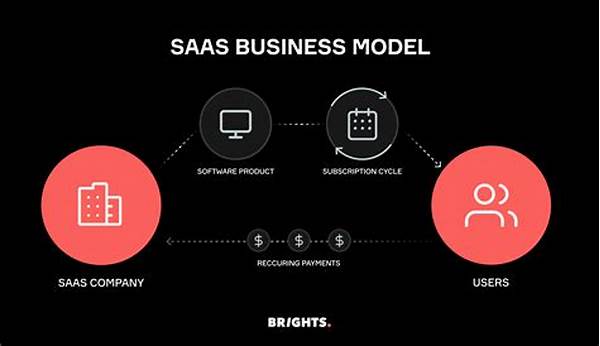
When you’re kicking off a startup, it’s like trying to build a spaceship with nothing but a hammer. But hey, who needs spaceships when you’ve got SaaS? SaaS, or Software as a Service, is like the best friend every startup needs, always there to keep your systems running without skipping a beat. Whether you’re dreaming up the next big fintech app or the Uber for cats, SaaS business models for startups are the smart route. They let you roll out updates faster than you can say “unicorn,” and you get the added bonus of predictable revenue streams. Seriously, what’s not to love?
Now, let’s dive a bit deeper and spill the tea on why SaaS business models for startups are all the rage right now. First, you don’t need to keep a server room or hire a tech guru with a wizard beard because everything’s in the cloud, baby! Plus, your clients get to enjoy seamless, hassle-free updates without lifting a finger. For startups looking to make a big splash without splurging on infrastructure, SaaS is like striking gold. And let’s be honest, every startup craves that predictable revenue which SaaS predictably delivers. Sprinkle in some scalability, and you’ve got yourself a recipe for success. Sounds like a dream, right?
So, why aren’t more startups hopping on this bandwagon faster? Well, some folks still cling to their old-school ways of selling software in boxes (remember those?), but times are changing, and SaaS business models for startups are leading the charge. Once you dive into the vibrant world of SaaS, you’ll see why it’s quickly becoming the go-to choice for ambitious founders around the globe. Whether you’re in tech, health, or the wild world of AI, the SaaS model offers the sweet combo of flexibility, efficiency, and innovation your startup needs to soar.
Essential Elements of a Stellar SaaS Business Model for Startups
1. Subscription Pricing: The foundation of SaaS business models for startups lies in subscription pricing. It’s like Netflix for your software—users love knowing exactly what they’ll pay each month without surprise fees chasing them in the shadows.
2. Scalability Galore: A killer SaaS model means you can start small and grow big without having to reinvent the wheel. Think of it like planting a tiny seed that blossoms into a giant tree. Ain’t no stopping you now!
3. Continuous Updates: Forget the days of “installing updates.” SaaS business models for startups ensure your clients always have the latest features, tools, and security measures on tap, with zero downtime. Sweet, right?
4. Customer-Centric Approach: It’s not just about flashing fancy tools; you gotta keep your clients happy. A SaaS model lets you personalize experiences without breaking a sweat. Satisfaction guaranteed—or at least strongly encouraged.
5. Data-Driven Decisions: The incredible thing about SaaS is all that data flow leaves nothing in question. You get the low-down on user behavior, trends, and pain points. Throw in a dash of data analysis, and boom, you’re making smart, informed decisions every step of the way.
Building Trust with SaaS Clients
Alright, folks, let’s cut to the chase: trust is the backbone of any successful SaaS operation. You can have a killer product with all the bells and whistles, but if your clients can’t trust you, it’s game over. SaaS business models for startups are built on the promise of reliability, consistency, and top-notch security. That means handling your clients’ data like it’s the crown jewels. And yes, uptime is your new best friend. Clients need to know they can rely on your service rain or shine, 24/7.
Now, about those customer relationships. Don’t just settle for being a faceless service provider. Be that cool friend who checks in regularly just to see how things are going. Take the initiative to understand their needs deeper than the surface level. SaaS business models for startups thrive on creating lasting relationships that extend beyond transactional exchanges. When clients feel valued and supported, they’re way more likely to stick around. And in the end, their success means your startup’s success. It’s a win-win situation, and who can say no to that?
Examples of SaaS Business Models for Startups
1. Freemium Model: Start free, upgrade later—customers love it. Ideal for startups wanting to lure in users without upfront payments. Once hooked, watch them transition to paid versions for premium features.
2. Tiered Pricing Layers: Different levels for different needs. Customize prices and features to cater to small teams and mega-corporations alike. It’s the flexibility scale that every startup CEO dreams of.
3. Per-User Fees: As straightforward as it gets—pay-per-user. Perfect for startups targeting companies with fluctuating teams. The more, the merrier—and the more users you have, the more revenue rolls in.
4. Pay-As-You-Go: Only pay for what you use. For startups offering variable resources, this model is golden. It’s a no-commitment, no-strings-attached relationship your clients will dig.
5. This-For-That Barter: Novel and quirky, this model involves exchanging services instead of cold hard cash. Ideal for startups looking to shake things up and form strategic partnerships within the industry.
Navigating Challenges in SaaS Business Models for Startups
Embarking on a SaaS journey can feel both thrilling and like you’re about to drop the hottest mixtape of the century. But, with all the glam comes real grit. SaaS business models for startups are no walk in the park. You’ve gotta brace yourself and your team for challenges popping up like whack-a-moles. First, there’s the competitive landscape, and trust me, it’s fiercer than a holiday sale at your local mall. With giants dominating the scene, standing out requires some serious mojo. Innovation should be your middle name, and consistently showing value is the name of the game.
Next up, the notorious challenge known as customer retention. Once you’ve got them, keeping them is a whole other ball game. You’ll need to stay on top of feedback, serve epic updates, and ensure customer service isn’t just a “department” but part of your DNA. Throw in potential technical hiccups (we all know they happen), and boom—you’re in for a wild—or mild—ride. Remember, every challenge is an opportunity to grit your teeth, roll up those sleeves, and emerge stronger, turning those hurdles into classic startup lore.
Case Studies in SaaS Business Models for Startups
Imagine being the artist formerly known as “another startup on the block,” only to transform into a SaaS success story splashing across business headlines. Sounds lit, right? Look at Slack and Salesforce—two mammoth SaaS titans that started from the bottom and rose to the pinnacle of SaaS glory. Their journeys are canvases painted with smart strategies, adaptability, and nailing the SaaS business models for startups. By offering seamless communication platforms and robust CRM tools, these giants rewrote the rulebook for burgeoning startups.
A core takeaway from studying these case studies is the beauty of evolution. Slack initially wanted to be a game but pivoted to a communication channel instead, proving that being nimble and responsive to market demands can pave your yellow brick road to SaaS stardom. Similarly, Salesforce revolutionized how businesses handled customer relationships by making the cloud an indispensable tool. By harnessing the flexibility and scalability of SaaS, startups can learn, adapt, and potentially change the world in ways they never imagined before. If these stories don’t rev you up, nothing will.
Want SaaS Success? Keep These in Mind!
So, you’re set on diving into the SaaS universe, huh? Good for you! But before you break any speed limits, take a deep breath and consider a few golden guidelines essential for conquering SaaS business models for startups. First, prioritize your core: focus on what your startup does best and perfect it. Don’t get sidetracked by every shiny new feature; consistency and quality will carry you far. Next, aim for simplicity. Clients aren’t looking for a convoluted web of functionality—they want intuitive, straightforward solutions to their problems.
Finally, stay customer-focused. Listen, learn, and grow from your client interactions. Every piece of feedback is a gold nugget that can drive your product to new heights. Approach SaaS like it’s not just a service you’re providing but a journey you’re embarking on with your clients. Foster relationships, be proactive, and deliver value time and again. With these tips locked n’ loaded, your startup’s SaaS business models will purr right into success in no time. And let’s be real, who doesn’t want that?